Locksley Resources (LKY:AU) has announced CEO & COO Appointed to Fast Track US Mine to Market Strategy
Download the PDF here.
This post appeared first on investingnews.com

Locksley Resources (LKY:AU) has announced CEO & COO Appointed to Fast Track US Mine to Market Strategy
Download the PDF here.
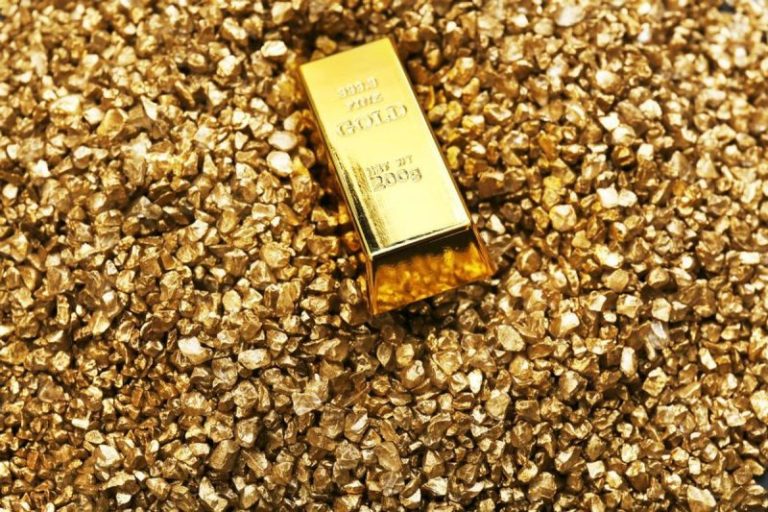
It can be tempting for investors to focus on specific assets or strategies when building an investment portfolio, but those taking a long-term approach will want to diversify in order to balance out potential portfolio instability.
Gold has a reputation for being a reliable diversifier because it can act as a hedge against various risks.
For those unfamiliar with the term, put simply, a hedge is an investment position whose main purpose is to offset potential losses or gains related to another asset. But how does that work, and what’s the best way to get exposure to gold as a hedge?
Read on for a look at how this strategy works and why it’s worth considering.
Gold is looked at as a hedge investment in many different situations. The first and most popular use of gold as a source of protection is as a hedge against the decline of a currency, typically the US dollar. When the dollar slips, the yellow metal not only becomes less expensive to hold, but also tends to rise in value.
“Gold’s relationship with the dollar is determined by US-based gold supply and demand, as well as by the status of the dollar as the reserve currency globally,” states the World Gold Council. “Historically, a weak dollar tends to provide a stronger boost to gold’s performance than the drag created by a strong dollar.”
By holding the precious metal as a diversification tool when the economy negatively affects currencies, investors can incur gains from the metal’s increased value.
The second reason why gold makes a good hedge is that it can act as a defense against inflation. When the cost of living begins to rise, the stock market often falls. In those cases, investors with assets that are negatively affected by a volatile market need something to balance that out — that’s where gold comes in.
Over the past 50 years, investors have seen gold make huge gains when the stock market is crumbling. As Investopedia points out, “This is because, when fiat currency loses its purchasing power to inflation, gold tends to be priced in those currency units and thus tends to arise along with everything else.”
Interestingly, the yellow metal has also been used as a hedge against deflation, which happens when prices drop, the economy is in a downturn and excessive debt looms. This situation has not occurred since the Great Depression of the 1930s, and to a much smaller degree after the 2008 financial crisis.
Market participants may decide to hoard cash in this type of scenario, and the safest place to hold cash is in gold. Again, while this situation is not commonplace, many investors keep the yellow metal in their portfolios on the off chance that another massive period of deflation will take place.
Finally, gold can be used as a general portfolio hedge when market participants hold investments that are not related to one another. Since the precious metal generally has a negative correlation to stocks, bonds and other financial instruments, investors often diversify by creating a portfolio that combines gold with stocks and bonds in order to reduce both volatility and risk.
While it is true that the yellow metal goes through times of volatility, it has always maintained its value over the long term, making it a steady addition to investors’ portfolios.
Those who have decided to add gold to their portfolio as a hedge have a variety of options. Here’s an overview of three of the most popular ways of getting exposure to gold.
Investors can get the most direct exposure to gold by buying physical gold, and holding the physical metal also adds diversification from digital assets. Physical gold can be purchased through government mints, private mints, precious metals dealers and even jewelry stores.
Physical gold investors should generally focus on 0.999 fine items, as these will also be the easiest to sell. The majority of gold bullion products fit this description.
One of the most common choices for investors are gold bullion coins, such as the South African Krugerrand or the Canadian Gold Maple Leaf, which are 0.999 fine. The American Gold Eagle is reputable and popular as well, but has a lower purity at 91.67 percent. Another option is gold rounds, which are similar to coins, but are not legal tender, making them often slightly cheaper.
Gold bars are another popular option, and because they come in a variety of sizes, they can accommodate a range of investors. Large investments may best be made in bars since bigger sizes are available. Further, it is often easier to manage several large products than it is to manage an array of smaller gold items.
When deciding on what to purchase, gold buyers will want to keep their plans for selling in mind. For example, large products may be more difficult and thus slower to sell, meaning it could be harder to take advantage of gold price movements or convert it to cash in an emergency. Individuals making ongoing or significant investments may therefore want to consider purchasing gold in various weights to give them versatility.
Click here to learn more about physical gold as an investment.
Click here to learn what moves the gold price and the highest price for gold is.
One of the common ways investors add gold as a hedge is through investing in a gold exchange-traded fund (ETF), which trade on a stock exchange just like equities. There are several kinds of gold ETFs, offering exposure to different aspects of the gold market. Gold ETFs can offer investors access to gold price movements by holding physical gold or the gold futures market through holding futures contracts. There are also gold ETFs focused on gold mining stocks, providing a more stable alternative to investing in individual gold stocks.
It is important to keep in mind that investors who own gold ETFs do not own any physical gold — even gold ETFs that track physical gold generally cannot be redeemed for it, with the exception of the Vaneck Merk Gold ETF (ARCA:OUNZ). Nonetheless, gold ETFs are a good option for getting exposure to the precious metal without personally trading physical gold, gold futures or gold stocks.
Click here for a list of five biggest gold ETFs and more information on gold ETFs.
Click here for a list of top ASX-listed gold ETFs.
A futures contract is an agreement to buy or sell gold on a date in the future for a price determined when the contract is initiated. In a gold futures transaction, two parties agree on a price, the amount of gold being purchased and the future delivery month.
The futures market is often referred to as an arena for paper trading. The bulk of the activity is just that, as metal is not actually exchanged and settlements are made in cash. It allows investors to buy or sell gold as they want without management fees, and taxes are split between short-term and long-term capital gains.
In some cases, the futures market can be an arena for purchasing physical gold. However, obtaining gold through the futures market requires a large investment and involves a list of additional costs. The process can be complicated, cumbersome and lengthy, which is why actually buying physical gold through futures is considered best for highly experienced market participants.
Click here to learn more about gold futures.
Securities Disclosure: I, Lauren Kelly, hold no direct investment interest in any company mentioned in this article.
E-Power Resources Inc. (CSE: EPR) (‘E-Power’ or the ‘Company’) is pleased to report the appointment of Alexander Haffmans to the Board of Directors.
Michael Danielsson, Director of E-Power commented: Mr. Haffmans is a serial entrepreneur and businessman from Amsterdam, The Netherlands. Specializing in the food and agriculture industries, Mr. Haffmans has been a senior manager and business developer internationally including ventures and operations in Europe, Asia, and the Americas. Mr. Haffmans speaks 6 languages and has developed an extensive international network of associates. Mr. Haffmans holds a Master of Science Degree in Development Economics from Wageningen University and Research, The Netherlands. We welcome Alexander to the Board and his future contributions in our mission to develop our flake graphite assets.
The Company also announces the resignation of Director Gabriel Erdelyi from the Board of Directors. Before being appointed to the Board, Gabriel was a strong supporter of E-Power which contined through his tenure on the Board. Gabriel provided invaluable insight and advice to the Company. The Board of Directors and Management of E-Power wish to thank Gabriel for his contributions to E-Power and wish him continued success in the future.
The Company also wishes to report that James Cross, President and CEO of the Company is currently on a leave of absence while tending to personal matters. In his absence, Jamie Lavigne, VP Exploration and Director of the Company has been appointed Interim CEO.
About E-Power
E-Power Resources Inc. is a Québec Corporation based in Montréal and focused on battery minerals exploration in Québec. The Company is currently advancing two projects; the Tetepisca property, located in the North Shore region of the Province and the Turgeon property located in the Abitibi region adjacent to the Ontario border. The Company’s priority target is flake graphite on the Tetepsica Property. The Turgeon property is located in the prolific Abitibi gold and base metal mining district and the Company is evaluating Turgeon primarily for its copper-zinc and gold potential.
For more information about E-Power Resources Inc. please visit the Company website at:
e-powerresources.com
Notice Regarding Forward-Looking Statements:
This news release contains ‘forward-looking statements’. Statements in this press release which are not purely historical are forward-looking statements and include any statements regarding beliefs, plans, expectations or intentions regarding the future. Actual results could differ from those projected in any forward-looking statements due to numerous factors. These forward-looking statements are made as of the date of this news release, and the Company assumes no obligation to update the forward-looking statements, or to update the reasons why actual results could differ from those projected in the forward-looking statements. Although the Company believes that the plans, expectations and intentions contained in this press release are reasonable, there can be no assurance that they will prove to be accurate.
For information contact: Jamie Lavigne, VP Exploration and Director, Interim CEO at : info@e-powerresources.com
To view the source version of this press release, please visit https://www.newsfilecorp.com/release/267640
News Provided by Newsfile via QuoteMedia
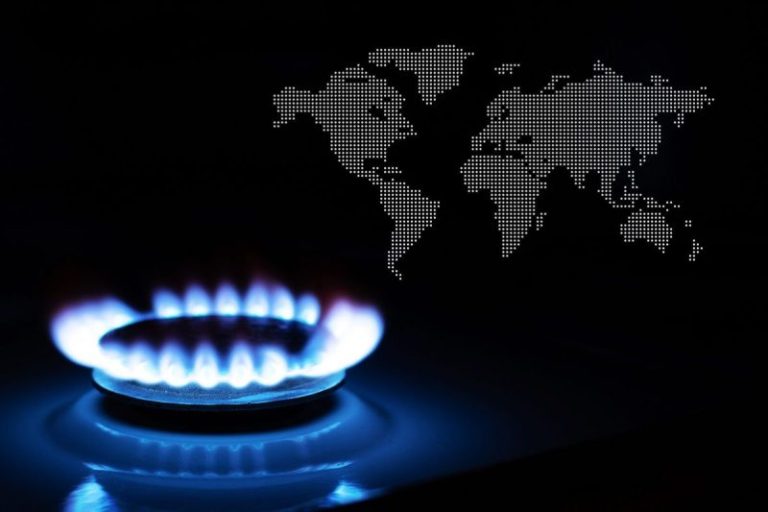
Natural gas is an important energy fuel, even as the world transitions to a carbon-free economy. When investing in this industry, it’s key to know the ins and outs of natural gas production by country.
Global natural gas production edged up 1.2 percent in 2024 to reach 4.12 trillion cubic meters, led by the United States, Russia, Iran and China, which together supplied more than half the world’s natural gas production, according to data from the Energy Institute.
European production extended its long-term decline, weighed down by lower volumes from Norway, the UK and the Netherlands.
On the consumption side, demand grew 2.5 percent — its fastest pace in years — with Asia Pacific economies such as China, Japan and India driving nearly half the gains, while Europe saw its first demand uptick since 2021.
“Natural gas continued to displace oil and oil products in various sectors, supported by policies, regulations and market dynamics,” the International Energy Agency’s (IEA) Global Energy Review 2025 reads.
Read on for a look at the top 10 natural gas-producing countries in 2024 based on the most recent data from the Energy Institute’s annual Statistical Review of World Energy.
Production: 1.03 trillion cubic meters
The US is by far the largest producer of natural gas in the world with production of 1.03 trillion cubic meters of natural gas in 2024, representing nearly a quarter of global natural gas production.
Its output has increased by more than 300 billion cubic meters in the past decade owing to the increasing cost of coal and advancements in extraction technology such as horizontal drilling and hydraulic fracturing, also known as fracking.
In addition to being a major natural gas producer, the US is also the biggest consumer of the fuel. In 2024, US demand for natural gas totaled 902.2 billion cubic meters, up from 2023’s 888.4 billion cubic meters, according to the Energy Institute.
In 2024, the US exported a record volume of liquified natural gas (LNG) at 115.2 billion cubic meters, following a 10th consecutive year of record production. While US exports grew just 0.4 percent year-over-year, they have exploded over the last decade from 2015’s 700 million cubic meters.
High international demand and steady domestic consumption growth will keep the US a net exporter of petroleum products and natural gas through 2050. Despite the shift to renewable electricity generation, US natural gas production is expected to rise due to increased international demand for liquefied natural gas, according to the US EIA’s Annual Energy Outlook 2023.
In early 2025, in response to US tariff threats from new President Donald Trump, China slapped a 15 percent tariff on US LNG imports. According to the Financial Press, the US accounted for about 6 percent of China’s LNG consumption in 2024.
Natural gas is expected to play a growing role in the US energy mix through 2050, even as oil and coal consumption decline, according to S&P Global Commodity Insights. Analysts point to coal-to-gas substitution as a key driver of the US transition, while scalability and cost barriers continue to slow a direct leap from coal to renewables.
“By 2050, gas shall be the only fossil fuel with a potential increase in the energy mix for the US, China, and India,” the S&P report notes.
Production: 629.9 billion cubic meters
The second largest exporter and producer of natural gas in the world, Russia produced 629.9 billion cubic meters of natural gas in 2024. The country’s state-owned energy group Gazprom its its largest natural gas producer, with gas company Novatek taking second place.
Russia also holds the largest-known natural gas reserves on the planet, at just under 20 percent as of 2020.
“Historically, production was concentrated in West Siberia, but investment has shifted in the past decade to Yamal and Eastern Siberia and the Far East, as well as the offshore Arctic,” according to the International Energy Agency.
Europe’s rejection of Russian natural gas products led to a 41 percent decline in revenues for the country’s producers in the first three quarters of 2023, reported Reuters.
While Russia remains the world’s second largest natural gas producer and the second largest exporter of the fuel, the EU is phasing out Russia-sourced natural gas by 2027 due to the country’s war on Ukraine. In June 2025 the EU introduced a proposal for a legal framework for accomplishing the 2027 goal.
EU imports of Russian natural gas have plunged by more than two-thirds since 2020, falling from 14.7 to 4.4 billion cubic feet per day in 2024, the EIA reported. Additionally, the EU reported that Russia only supplied 14 percent of its member countries’ natural gas requirements in 2023, down from 45 percent in 2021.
Despite the conflict between Russia and Ukraine, the latter has remained a crucial corridor for Russian natural gas into the EU. In September 2024, Russian natural gas exports that traveled through Ukraine totaled 1.26 billion cubic meters.
To offset lost European demand, Russia has pivoted its energy export trade, with China and India propping up its natural gas export market. The country has expanded gas exports eastward via the Power of Siberia 1 pipeline, which has been running near full capacity since China’s segment came online in late 2024. Plans for a second pipeline remain stalled, with Moscow and Beijing yet to agree on terms despite years of negotiations.
Russia is also set to supply Iran with natural gas after it signed a long-term natural gas supply deal in October 2024 in which Gazprom committed to supplying 109 billion cubic meters of gas to Iran annually.
Production: 262.9 billion cubic meters
Iran, the third largest natural gas-producing country and the largest in the Middle East, produced 262.9 billion cubic meters of natural gas in 2024, representing about 6.4 percent of global output. The Middle Eastern nation ranks second in terms of natural gas reserves.
While its natural gas infrastructure is far behind the top two natural gas producers, Iran has increased its natural gas production significantly in the past decade to become the Middle East’s largest producer. Iran and Qatar share the world’s largest natural gas field. Iran’s portion is known as South Pars and Qatar’s is North Dome.
Iran plans to boost its production capacity by 30 percent within five years, supported by an US$80 billion investment in its gas fields, according to the nation’s Oil Minister Javad Owji. However, Qatar’s expansion of liquefied natural gas production in North Dome poses a challenge to Iran’s output ambitions.
In mid-2025, Iran partially suspended gas output at the South Pars field after an Israeli airstrike damaged one of its key processing units (Phase 14). The strike shut down approximately 12 million cubic meters per day of gas production. While production has reportedly resumed, it is unclear if operations are at full capacity.
Turkey and Iraq are major importers of Iranian natural gas, while Turkmenistan and Armenia have swap deals with Iran. Iran signed a long-term deal to import 109 billion cubic meters of gas from Russia annually in late 2024, with Russia paying for construction of the necessary pipeline.
Production: 248.4 billion cubic meters
China’s natural gas production reached 248.4 billion cubic meters in 2024, an all-time record.
In recent years, China’s government has incentivized the transition from coal to natural gas to reduce air pollution and meet emissions targets. In its 14th Five-Year Plan, the government set an annual natural gas production target of 230 billion cubic meters by 2025, a goal the country met two years early in 2023. Between 2014 and 2024, natural gas production in China grew by 89 percent from 131.2 billion cubic meters.
China still relies on imports to meet about half of its demand. Australia, Turkmenistan, the US, Malaysia, Russia and Qatar are some of its biggest providers. However, it has yet to meet its natural gas storage target of 55 billion to 60 billion cubic meters, with only 26.7 billion cubic meters by the end of 2024, S&P Global reports.
Unconventional gas sources such as shale, coal-bed methane and natural gas hydrates accounts for an estimated 43 percent of China’s total gas output.
While domestic production has ticked higher, China’s LNG imports are moving the opposite direction. LNG imports fell by more than 20 percent during the first half of 2025. Rising domestic and pipeline supply is helping offset the reduced LNG inflows, with policy and infrastructure efforts aimed at shrinking reliance on imported gas.
Domestic demand has also pulled back slightly, as China’s gas demand declined by roughly 1 percent year-over-year in H1 2025.
Production: 194.2 billion cubic meters
Canada produced 194.2 billion cubic meters of natural gas in 2024, and the country holds 83 trillion cubic feet of proved natural gas reserves. The Western Canadian Sedimentary Basin (WCSB) is the prime source of the majority of Canada’s natural gas production. In addition to the WCSB, offshore fields near Newfoundland and Nova Scotia, the Arctic region and the Pacific coast hold significant natural gas reserves.
Canada is also a top natural gas exporter, relying exclusively on pipelines, with the US as its only trading partner. In 2022, 99 percent of all US natural gas imports came from its neighbor to the north.
In early 2025, US President Trump threatened to place 10 percent tariffs on energy imports from Canada, including natural gas. The move has led to increased calls for cross-Canada pipeline building and expansion of trade partners.
Looking to expand its trade partner list, in late June, LNG Canada shipped its first liquefied natural gas cargo to Asia from its new export facility in Kitimat, British Columbia. The terminal is a joint venture that includes Indigenous, provincial and international partners, and began operations with two liquefaction trains capable of producing 14 million metric tons per annum.
“With LNG Canada’s first shipment to Asia, Canada is exporting its energy to reliable partners, diversifying trade, and reducing global emissions — all in partnership with Indigenous Peoples,” Prime Minister Mark Carney said of the shipment. “By turning aspiration into action, Canada can become the world’s leading energy superpower with the strongest economy in the G7.”
His words reiterated the findings of a May 2025 report from the Fraser Institute that outlined Canada’s ability to contribute to global greenhouse gas emissions reduction through increased LNG production and exports to countries that currently rely on coal.
“As countries like China and India continue to burn coal for power, Canadian LNG offers a lower-emission alternative with the potential for major global impact,” said Elmira Aliakbari, director of natural resource studies at the Fraser Institute and coauthor of the study.
Production: 179.5 billion cubic meters
Qatar is the sixth largest natural gas producer and hosts the third largest proved natural gas reserves in the world. The majority of its reserves are located in the world’s largest natural gas field, the offshore North Field, which it shares with Iran.
Qatar is the world’s second largest LNG exporter with 106.9 billion cubic meters in 2024, just above third-place Australia’s 106.8 billion.
In recent years, Qatar has made moves to capitalize further on its resources in an effort to expand its footprint in the international natural gas market. Statista reports that state-owned Qatar Petroleum is looking “to increase its LNG export market to compete with Russian LNG deliveries.”
To fulfil these aspirations Qatar is pushing ahead with expansion plans that are projected to nearly double the country’s LNG output over the next few years, raising production capacity from 77 million metric tons per annum to around 126 million by 2027.
Key to that growth is the North Field East expansion, which is set to begin partial output in mid-2026 as new LNG trains come online.
Production: 150.1 billion cubic meters
Australia produced 150.1 billion cubic meters of natural gas in 2024, an increase of 130 percent compared its 65.3 billion cubic meters to in 2014. Nearly all of Australia’s natural gas resources are located in the North West Shelf, with three of the basins there providing feedstock to the country’s largest gas fields, including Greater Gorgon, North West Shelf Venture and Ichthys
Australia’s LNG exports have grown exponentially over the past decade as several new production facilities have come online. The country was the third largest exporter of LNG in 2024 at 106.8 billion cubic meters.
The federal government released its Australia’s Future Gas Strategy in May 2024. The initiative focuses on ensuring energy security and supporting the transition to net-zero by 2050 by boosting natural gas production. The government plan highlights the need for new gas supplies to prevent shortages by 2028 on the east coast and 2030 on the west coast.
While supportive of the plan, Australia’s energy producers have raised concerns of potential gas supply shortfalls by the end of the decade amid global market volatility. Meg O’Neill, chair of Australian Energy Producers, highlighted that without action, Australia’s east and west coasts could face shortages by 2028 and 2030, respectively, which could drive up energy prices.
In March 2025, Exxon Mobil (NYSE:XOM) and Woodside Energy Group (ASX:WDS,NYSE:WDS) announced a US$222 million investment to drill five new wells in the Gippsland Basin’s Turrum and Turrum North fields, aiming to extend Southeastern Australia’s gas output beyond 2030.
The Turrum Phase 3 project underscores efforts to sustain domestic supply from the aging Bass Strait, even as production declines. It follows other recent approvals by the joint venture to bolster Australia’s gas availability amid tightening forecasts.
Production: 121.5 billion cubic meters
The eighth largest natural gas-producing country, Saudi Arabia has seen its output increase by 25 percent since 2014, reaching a record 121.5 billion cubic meters in 2024.
Mordor Intelligence reports that this production growth was due in large part to increased development of standalone natural gas wells. State-run Saudi Aramco has awarded contracts to energy companies looking to develop the country’s largest unconventional gas field, Jafurah, located near the Persian Gulf.
Currently the country does not export its natural gas production; however, the government plans to begin natural gas exports by 2030. According to the EIA, Saudi Arabia is working to replace “crude oil, fuel oil, and diesel-powered electric generators with natural gas and renewable energy generation by 2030, which will likely increase domestic natural gas demand.”
In late 2023, Saudi Arabia began investing in the LNG market with Saudi Aramco buying a stake in MidOcean Energy, which is set to acquire interests in four Australian LNG projects. In July 2024, Aramco awarded contracts worth US$12.6 billion to expand production in the Jafurah field.
The Jafurah project is central to Aramco’s goal of boosting gas output by 60 percent by 2030.
This was supported by an August announcement that Aramco signed an US$11 billion deal with a consortium led by Global Infrastructure Partners, part of BlackRock to lease and lease back its Jafurah gas processing facilities for 20 years.
A new subsidiary, Jafurah Midstream Gas Company, will manage the assets, with Aramco retaining a 51 percent stake and exclusive rights to process gas from the field.
Production: 113.2 billion cubic meters
Norway is the world’s ninth largest natural gas producer. Norway’s natural gas production reached a record-high of 116 billion cubic meters in 2023, but contracted to 113.2 billion cubic meters in 2024.
The Scandinavian country has understandably replaced Russia as the major supplier to the European natural gas market. In 2023, Norway reportedly accounted for 30.3 percent of natural gas supplied to the EU.
Norway’s natural gas companies have ramped up production in response to increased demand. In mid-2023, the government gave the green light to 19 oil and gas extraction projects in the country.
In early 2024, some concern arose that the industry may face headwinds from a proposal by a climate change committee to temporarily suspend new licenses while the government decides on a climate strategy. However, in May 2024 the government offered licenses for 37 new blocks and emphasized the industry’s importance to Norway and Europe.
Near-term gas production is forecasted to contract slightly in 2025 according to the Norwegian Budget Bill released in early October 2024.
In June 2025, Shell (NYSE:SHEL) began operating two sub-sea compressors at the Ormen Lange field in the Norwegian Sea, a move expected to lift gas recovery rates from 75 percent to 85 percent.
Located 120 kilometers offshore on the seabed and linked to the Nyhamna processing plant, the compressors could enable the extraction of an additional 30 billion to 50 billion cubic meters of gas.
Production: 94.7 billion cubic meters
Rounding out the top 10 natural gas-producing countries is Algeria, which produced 94.7 billion cubic meters of natural gas in 2024. The country’s output decreased year-over-year from 101.5 billion cubic meters in 2023. In 2022, nearly 85 percent of the country’s exports went to feed Europe’s natural gas demand.
In late May 2024, Algeria signed two key hydrocarbon deals with US firms, one with ExxonMobil and the other with Baker Hughes (NASDAQ:BKR), to boost its natural gas production and enhance exports to Europe. This comes as European nations seek alternatives to Russian gas amid rising demand.
Despite the year-over-year production contraction, Algeria aims to ramp up its natural gas output to 200 billion cubic meters by 2030, according to Energy and Mines Minister Mohamed Arkab.
Key to reaching this target will be heavy investment with US$36 billion earmarked for exploration and production. The strategy includes expanding infrastructure at the Hassi R’Mel field with new compression stations and leveraging recently discovered fields to boost both domestic supply and export capacity.
Algeria reportedly began discussions with ExxonMobil and Chevron (NYSE:CVX) in August 2025 for a landmark deal to develop its natural gas reserves, including shale resources, in a move seen as part of the country’s efforts to attract international investment.
The potential agreement would mark the first time US majors have gained direct access to Algeria’s reserves, introducing advanced fracking techniques to unlock shale gas deposits domestic operators have been unable to access.
Natural gas is a mixture of methane and other naturally occurring gases. As fossil fuels, both crude oil and natural gas are formed via the same geological process. It isn’t surprising then that the two materials are often found together. Natural gas is the product of ancient decomposed organic matter that mixed with sediment, became buried and was subject to immense pressure and heat over millions of years.
Natural gas is extracted via wells drilled into subsurface rock formations, or via hydraulic fracturing or ‘fracking’ technology from shale formations. Following extraction, natural gas is separated from other liquids, including oil, hydrocarbon condensate and water. This separated gas then needs to be further processed to meet specific requirements for end-use quality and safe pipeline transmission.
Natural gas is well known as a fuel for heating, generating electricity and powering vehicles. However, it’s also used to manufacture various products, such as vinyl flooring, carpeting, Aspirin and artificial limbs; in addition, it’s a key component in the production of ammonia.
According to the EIA, burning natural gas for power emits fewer greenhouse gas emissions and pollutants than other fossil fuels, since it burns more easily and contains fewer impurities. The EIA also notes that natural gas produces less carbon dioxide per equivalent amount of heat production.
Although natural gas is a fossil fuel and was formed under the same conditions, it is often pegged as a ‘cleaner’ energy option than coal or oil. The EIA states that, ‘burning natural gas for energy results in fewer emissions of nearly all types of air pollutants and carbon dioxide than burning coal or petroleum products to produce an equal amount of energy.’
Natural gas is not an infinite, renewable resource; however, its hard to determine how many untapped sources are left in the world. According to one estimate, natural gas reserves are sufficient to last another 53 years at current consumption rates. That figure doesn’t take into account known natural gas resources under development or those yet to be discovered in underexplored regions.
Russia was a leading supplier of natural gas to Europe prior to the country’s invasion of Ukraine, representing about 40 percent of the region’s supply. As a result of the war, energy prices shot up both in Europe and globally. According to S&P Global, the war has “accelerated” the globalization of the natural gas market as Europe turns to LNG. In the midst of this changing landscape, the US has become the world’s largest exporter of LNG as it stepped up shipments to Europe.
The EU is working to phase out Russian natural gas exports by 2027. The growing global LNG market allows flexibility for European countries looking to source natural gas supply from producers as close to home as Norway (Europe’s biggest gas supplier), other major natural gas suppliers in North Africa or from the world’s largest natural gas producer, the US.
Securities Disclosure: I, Georgia Williams, hold no direct investment interest in any company mentioned in this article.

The pharmaceutical industry is a major player in the overall life science sector, responsible for developing and manufacturing the majority of prescription drugs.
Companies in this space are constantly researching and creating innovative treatments for various medical conditions. In recent years, there has been a particular focus on developing new treatments for diabetes, weight loss and cancer.
With global spending on medicine using list prices growing by 38 percent over the past five years and a forecasted increase of 35 percent through 2029, there is an opportunity for investors to gain exposure to the growth potential of this industry while also benefiting from the diversification and stability provided by established companies.
Market cap: US$715.16 billion
Founded in 1876, Eli Lilly and Company employs approximately 10,000 individuals for research and development in seven countries and has products marketed in 110 countries, including therapies for diabetes, cancer, immune system diseases and a wide range of mental health conditions.
The company also has drugs in development for various medical conditions, such as skin ailments, cancers, Crohn’s disease, diabetes, obesity and Alzheimer’s disease.
So far in 2025, Eli Lilly has made a number of portfolio expanding acquisitions of private and public biotechnology companies. This includes private biotechnology companies Scorpion Therapeutics, which develops small molecule precision oncology therapies; SiteOne Therapeutics, which develops non-opioid medicines for pain management; and Verve Therapeutics, which develops genetic medicines for cardiovascular disease.
Early in the year, Eli Lilly announced plans to more than double its US manufacturing investment since 2020 to more than US$50 billion, representing the largest pharmaceutical manufacturing investment in the country’s history.
In mid-September, as part of this investment, the company shared plans to build a US$5 billion manufacturing facility in the state of Virginia. The facility will develop active pharmaceutical ingredients for cancer, autoimmune and other advanced therapies. The same month, Eli Lilly reported plans to build a new US$6.5 billion facility in Texas to manufacture small molecule synthetic medicines.
Market cap: US$419.6 billion
Johnson & Johnson operates on a massive scale and encompasses various segments through its subsidiaries. Its primary pharmaceutical subsidiary is Janssen Pharmaceuticals, which focuses on cardiovascular disease and metabolism, infectious diseases and vaccines, neuroscience, oncology, immunology and pulmonary hypertension.
Johnson & Johnson acquired a clinical-stage biopharmaceutical company called Ambrx Biopharma last year, which will allow the company to further develop antibody-drug conjugates, expanding its offering of targeted oncology therapies. This year, the company acquired Intra-Cellular Therapies in a US$14.5 billion deal, which includes lumateperone, the first and only treatment approved by the US Food and Drug Administration (FDA) for bipolar I and II depression as an adjunctive and monotherapy.
In March, Johnson & Johnson announced it plans to invest more than US$55 billion in manufacturing, research and development and technology in the US over the next four years, up 25 percent over the previous four years.
Market cap: US$394.05 billion
AbbVie is a global biopharmaceutical company that discovers and delivers innovative medicines and solutions to address complex health issues. The company has identified five areas of focus where it believes it can make a significant impact in improving treatments for patients: immunology, oncology, neuroscience, eye care and aesthetics.
A few of AbbVie’s drugs garnering FDA approval this year include upadacitinib, the first and only oral JAK inhibitor approved for the treatment of giant cell arteritis in adults; telisotuzumab vedotin-tllv for the treatment of adult patients with certain types of non-squamous non-small cell lung cancer; and glecaprevir/pibrentasvir, the first oral eight-week pangenotypic treatment option approved for people with acute or chronic hepatitis C.
In August, AbbVie announced it will build a US$195 million facility to increase its active pharmaceutical ingredient production capacity in the US. The spend is part of the company’s plan to invest more than US$10 billion in the US pharma market over the next 10 years announced in April.
Market cap: US$270.84 billion
Danish company Novo Nordisk has demonstrated a commitment to addressing various health conditions, such as type I and II diabetes, obesity, hemophilia and growth disorders, and markets its therapies in 170 countries. The company’s main product is the diabetes drug Ozempic, which is also marketed for obesity under the name Wegovy.
It has been conducting research into a new obesity treatment called amycretin, which targets both GLP-1 and amylin receptors. In June, Novo Nordisk announced that amycretin will enter Phase 3 development in weight management in the first quarter of 2026.
In September, the company presented top-line Phase 3 REDEFINE 1 clinical data for another obesity drug, cagrilintide. The drug candidate will move into the more advanced Phase 3 RENEW clinical program in Q4 2025.
Novo Nordisk has a working partnership with Microsoft (NASDAQ:MSFT) through which it uses the tech giant’s artificial intelligence (AI), cloud and computational services to facilitate the discovery of new drugs and treatments.
Market cap: US$237.78 billion
Abbott Laboratories creates a wide range of products, from diagnostics to medical devices to branded generic pharmaceuticals. Its medical devices focus on segments including vascular diseases, diabetes and optometry.
The company’s Tendyn transcatheter mitral valve replacement system received FDA approval in May. The system is designed to treat people with mitral valve disease without the need for open heart surgery.
In August, Abbott’s Navitor transcatheter aortic valve implantation system was granted the CE Mark designation in Europe, as was its Esprit BTK dissolving stent system. The Navitor system is designed to treat people with symptomatic, severe aortic stenosis who are at low or intermediate risk for open-heart surgery, while the Esprit BTK system allows treatment of patients with peripheral artery disease below the knee.
The pharmaceutical industry encompasses a variety of companies that have different — although sometimes overlapping — roles to play. The most famous players are the ‘Big Pharma’ companies. These giants often have a variety of subsidiaries, large pipelines and many products in their portfolios.
There are also smaller pharma R&D companies, which sometimes get acquired by larger firms if their work seems promising. Companies in these categories research, develop and bring to market drugs aimed at filling unmet needs, or helping people who are resistant to pre-existing treatments.
Once patents run out on prescription drugs, generic drug manufacturers create much cheaper generic versions. Wholesale companies also play a large role in the pharma sector. According to Common Wealth Fund, wholesalers have four areas through which they affect drug buying and distribution: ‘setting generic drug prices, leveraging list price increases, competing in specialty drug distribution, and mitigating or exacerbating drug shortages.’
Big Pharma companies have a fairly consistent business model. Often, the company’s R&D team will slowly develop a new drug through many stages of testing to prove the drug’s efficacy, safety and necessity.
If all trials are completed successfully, the company will apply to government organizations such as the FDA, which must approve the drug before it can be mass produced, marketed and sold. Companies can skip a number of these steps by acquiring smaller companies, or through in-licensing, which results in two companies sharing the burden of a drug’s development through to commercialization. However, it’s worth noting that large pharma companies have many drugs in their pipelines at any given time, and many don’t make it to approval.
Once a drug is approved by the relevant health organization, it can be marketed and prescribed. Because patents expire after 20 years, companies lobby and advertise to try to get as many sales as possible during that window.
The ‘Big 3’ in pharma refers to the three largest wholesalers: Cencora (NYSE:COR), Cardinal Health (NYSE:CAH) and McKesson (NYSE:MCK). Collectively, those three companies account for over 95 percent of wholesale prescription drug distribution in the US.
The US is the top pharmaceutical country, with six of the top 10 pharma companies by revenue headquartered in the nation. The country is also in the lead when it comes to consumer spending on pharmaceuticals — this is due to the high cost of brand-name drugs. Aside from that, the US is the top country globally for pharma R&D spending, with 48 percent of global biopharma R&D companies headquartered there. Together they account for 55 percent of global R&D investments and 65 percent of funding at the development-stage.
Pharmaceutical companies will have to adapt to changing times. The world is shifting, with economic woes, geopolitical disruptions and supply chain concerns affecting nearly every sector. Innovation continues to accelerate as well, and the medical landscape has changed in the wake of COVID-19. Additionally, the US government is making moves to address the astronomical prices of prescription medicine as the industry comes under more scrutiny.
For a look at what is else is effecting the market, read our 2025 Pharma Market Forecast.
While established players like the Big Pharma and wholesale companies discussed above should be relatively consistent, small companies are make-or-break depending on whether their drugs are successful. This means that investors could see much higher returns compared to large companies, but run the risk of taking massive losses in the case of failure.
Securities Disclosure: I, Melissa Pistilli, hold no direct investment interest in any company mentioned in this article.
Market research firm Arrowhead believes Metals Australia (ASX:MLS) is positioned to benefit from surging demand for critical minerals tied to the global energy transition. In a September 2025 Due Diligence and Valuation Report, analysts Karan Mehta and Sahil Rustagi suggested a fair share value of AU$0.071 to AU$0.087, more than triple the current trading price of AU$0.022 as of mid-September 2025.
At the heart of this optimism is the company’s Lac Carheil graphite project in Quebec, Canada, which has rapidly advanced into Metals Australia’s flagship asset. The project now boasts an updated mineral resource of 50 million tonnes (Mt) grading 10.2 percent total graphitic carbon (TGC), containing 5.1 Mt of graphite, placing it among a select group of high-grade, large-scale deposits globally
Backed by strong technical partners and a grant from the Quebec government, the project is moving through a pre-feasibility study, with downstream integration plans centered on producing battery anode materials.
Read the full report herereport here.
This content is intended only for persons who reside or access the website in jurisdictions with securities and other applicable laws which permit the distribution and consumption of this content and whose local law recognizes the scope and effect of this Disclaimer, its limitation of liability, and the legal effect of its exclusive jurisdiction and governing law provisions [link to Governing Law section of the Disclaimer page].
Any investment information contained on this website, including third party research reports, are provided strictly for informational purposes, are general in nature and not tailored for the specific needs of any person, and are not a solicitation or recommendation to purchase or sell a security or intended to provide investment advice. Readers are cautioned to seek the advice of a registered investment advisor regarding the appropriateness of investing in any securities or investment strategies mentioned on this website.
Highlights from 2023-24 Drill Program* include:
From Bo_RC_12:
From Bo_RC_11:
From Bo_RC_13:
From Bo_RC_02:
From Bo_Met_01:
From Bo_Met_02a:
*As previously reported in the Borralha Technical Report (see below).
Vancouver, British Columbia–(Newsfile Corp. – September 23, 2025) – Allied Critical Metals Inc. (CSE: ACM,OTC:ACMIF) (OTCQB: ACMIF) (FSE: 0VJ0) (‘Allied’ or the ‘Company’), which is focused on its 100% owned past producing Borralha and Vila Verde tungsten projects in northern Portugal, is pleased to announce highlights from its 2023 & 2024 drill program on its 100% owned Borralha Tungsten Project. Although the drill results were included in its current technical report on the Borralha Tungsten Project (the ‘Borralha Technical Report’), the individual drill results were never individually showcased. The Borralha Technical Report is entitled, ‘Technical Report on the Borralha Property, Parish of Salto, District of Vila Real, Portugal’, dated effective July 31, 2024′ which is available under the Company’s profile on SEDAR+ at www.sedarplus.ca.
During Allied’s 2023-2024 Borralha drill program, more than 3,685 meters were drilled in 16 drill holes in the Santa Helena Breccia, as described in the Borralha Technical Report, which includes the following notable intercept highlights in the table below.
Table 1: Highlights of Intercepts from 2023-24 Borralha Drill Program
| Drill Hole ID | From (m) |
To (m) |
DH length (m) |
True Width factor |
True Width* (m) |
WO3 (%) |
Cu (ppm) |
Ag (ppm) |
| Bo_Met_01 | 60.0 | 166.0 | 106.0 | 0.76 | 80.4 | 0.21 | 863 | 5.2 |
| incl. | 60.0 | 65.0 | 5.0 | 0.76 | 3.8 | 0.60 | 247 | 1.8 |
| Bo_Met_02a | 62.0 | 85.0 | 23.0 | 0.95 | 21.9 | 0.53 | 1215 | 5.8 |
| Bo_RC_02 | 26.0 | 134.0 | 108.0 | 0.91 | 98.3 | 0.22 | 1170 | 4.9 |
| incl. | 62.0 | 78.0 | 16.0 | 0.91 | 14.6 | 0.63 | 1533 | 4.9 |
| Bo_RC_11 | 112.0 | 150.0 | 38.0 | 0.78 | 29.5 | 0.56 | 295 | 1.9 |
| incl. | 140.0 | 150.0 | 10.0 | 0.78 | 7.8 | 1.75 | 204 | 1.5 |
| + | 256.0 | 268.0 | 12.0 | tbd | – | 0.20 | 436 | 3.8 |
| Bo_RC_12 | 82.0 | 102.0 | 20.0 | 0.96 | 19.3 | 0.50 | 2087 | 10.2 |
| incl. | 82.0 | 94.0 | 12.0 | 0.96 | 11.6 | 0.78 | 2038 | 9.5 |
| + | 182.0 | 184.0 | 2.0 | 0.92 | 1.8 | 5.79 | 334 | 3.8 |
| + | 238.0 | 250.0 | 12.0 | 0.90 | 10.8 | 0.40 | 600 | 2.3 |
| incl. | 246.0 | 250.0 | 4.0 | 0.90 | 3.6 | 1.12 | 1260 | 4.6 |
| Bo_RC_13 | 208.0 | 210.0 | 2.0 | 0.90 | 1.8 | 0.68 | 217 | 1.9 |
*Reported intervals are downhole lengths. Estimated true widths were calculated from hole orientation and the interpreted geometry of the mineralized corridors. Estimates may vary locally where geometry changes. Where intervals fall outside the resource block-model domains, the true width is not known and only the downhole length is reported.
Table 2: Drill Hole Collar Locations
| Drill Hole ID | Coordinates (WGS84) | Az.(º) | Dip.(º) | DEPTH (m) | |
| Bo_Met_01 | 585521 | 4611357 | 180 | 80 | 253.20 |
| Bo_Met_02 | 585458 | 4611315 | 110 | 53 | 72.90 |
| Bo_Met_02a | 585459 | 4611316 | 118 | 50 | 164.30 |
| Bo_RC_01 | 585521 | 4611355 | 180 | 80 | 219.00 |
| Bo_RC_02 | 585469 | 4611279 | 130 | 60 | 150.00 |
| Bo_RC_03 | 585467 | 4611472 | 109 | 60 | 237.00 |
| Bo_RC_04 | 585588 | 4611506 | 230 | 70 | 264.00 |
| Bo_RC_05 | 585588 | 4611444 | 230 | 70 | 306.00 |
| Bo_RC_06 | 585587 | 4611380 | 240 | 70 | 236.00 |
| Bo_RC_09 | 585455 | 4611387 | 106 | 60 | 250.00 |
| Bo_RC_08 | 585417 | 4611353 | 105 | 60 | 236.00 |
| Bo_RC_07 | 585423 | 4611294 | 100 | 55 | 195.00 |
| Bo_RC_11 | 585539 | 4611503 | – | 90 | 376.00 |
| Bo_RC_10 | 585461 | 4611195 | 90 | 60 | 150.00 |
| Bo_RC_12 | 585383 | 4611329 | 100 | 60 | 300.00 |
| Bo_RC_13 | 585406 | 4611377 | 105 | 65 | 276.00 |
| actual sum | |||||
| Total | 3685.4 | ||||
The Company has continued its exploration of the Santa Helena Breccia with its 2025 drill program which is also focused on the Santa Helena Breccia (SHB) of Borralha.
‘The company invested approximately $4.1 million in 2023 & 2024 on exploration to further give confidence to investors prior to its public listing,’ Roy Bonnell, CEO & Director, Allied Critical Metals, stated. ‘We are now working to provide an updated version of the Mineral Resource Report for Borralha in Q4 2025, which is expected to include more than approximately 5,700 metres of drill results from this year’s program.’
Allied’s flagship Borralha Tungsten Project, strategically located in northern Portugal, represents one of the most significant undeveloped tungsten deposits in the western world having a potential near-term source of supply outside of the domain of China and Russia. With the NI 43-101 mineral resource estimate of 4.98 Mt @ 0.22% WO₃ (Indicated) and 7.01 Mt @ 0.20% WO₃ (Inferred) previously reported in the Borralha Technical Report, Borralha has the potential to provide a stable and scalable source of tungsten concentrate to Western markets. On September 4, 2025, Allied announced a drill intercept of 12.0 metres @ 4.27% WO3 including 6.0 metres @ 8.39% WO3 from 252.00 metres downhole, confirming one of the highest-grade tungsten intercepts reported in Western exploration, especially for high quality wolframite tungsten mineralization.
Technical Information and Quality Assurance/Quality Control (QA/QC)
During the 2023-24 drilling campaign three PQ-size diamond drill holes and thirteen reverse circulation boreholes, totalling 3,685.40 metres of drilling, were completed to their proposed lengths. Minerália was contracted to supervise and manage the drilling program that included three PQ-size diamond drill holes, namely Bo_Met_01, _02 and _ 02a, totalling 490.4 metres of drilling and thirteen reverse circulation drill holes, namely Bo_RC_01 to _13 that totalled 3,195.0 metres of drilling. Diamond drill hole Bo_Met_02 intersected old underground workings and was abandoned and re-drilled nearby as Bo_Met_02a. As of the effective date of this report, the Company has drill tested the SHB with 5,602.95 metres of drilling, infilling historical drill holes and extending exploration towards the southern part of the SHB.
The cores from the two diamond holes, Bo_Met_01 and _ 02a were halved length wise after logging and one-half of the cores were shipped to Wardell Armstrong International Ltd. with offices in Truro, London for metallurgical test work. The other half of drill core was sampled and shipped to the ALS preparatory laboratories in Seville, Spain and later to the ALS certified assay laboratories in Dublin Road, Loughrea, Co., Ireland for multi-element ICP analyses. The later 1-metre reverse circulation drill cuttings were composited into 2-metre samples and direct shipped to the ALS preparatory laboratories in Seville, Spain and later to the ALS certified assay laboratories in Dublin Road, Loughrea, Co., Ireland.
The analytical samples were collected directly from the rig splitter according to a sampling list that documented the metres and sampling sequence for each drill hole. This list also identified which sample should be collected in duplicate as well as which certified reference material (‘CRM’) were to be placed in the numerical sequence. The CRMs were randomly inserted at every 20 samples (5%), and duplicate samples were collected every 20 samples (5%). Thus, there’s an alternating CRM and Duplicate every 10th sample.
The analytical and reject samples are then transported in boxes from the drilling site to the core shed by a designated employee. The analytical samples were stored on labelled palettes for later direct shipping to the ALS preparation laboratories in Seville, Spain. Later, the pulp and reject samples were securely stored in the logging room on the property.
RC samples were prepared by ALS preparation laboratory in Seville, Spain, crushing the sample with up to 70% of the material passing a 2 mm screen, and then each sample was split to 250 g and pulverized with hardened steel to 85% passing a 75 μm screen. Each resultant sub-sample was then direct shipped to their certified assay laboratory Dublin Road, Loughrea, Co., Ireland.
The samples are analyzed by the ME-MS81 ALS method that applies a lithium borate fusion to the sample and the result of this fusion is measured by applying an ICP-MS. It is also applied to the ALS ME-4ACD81 procedure which reports base metals by a 4-acid digestion and later analyzed by an ICP-MS procedure. Any over-limit tungsten values were re-analysed at the same laboratory by a W-XRF15b procedure that uses a lithium borate fusion with an XRF analysis. The analytical results were then securely emailed to the company.
To the best of the Company’s knowledge, no drilling, sampling, recovery, or other factors have been identified that would materially affect the accuracy or reliability of the data referenced herein. As indicated further above, these drilling results and related procedures and technical information were also detailed by an independent qualified person in the Borralha Technical Report which is available under the Company’s profile on SEDAR+ at www.sedarplus.ca.
Qualified Person
The scientific and technical information in this news release has been reviewed and approved by Mr. Vítor Arezes, BSc, MIMMM (QMR) (Membership Nº. 703197, Vice-President Exploration of Allied Critical Metals, who is a Qualified Person for the purposes of National Instrument 43-101 – Standards of Disclosure for Mineral Projects. Mr. Arezes is not independent of Allied Critical Metals Inc. as he is an officer of the Company.
Understanding Tungsten
To understand tungsten, it is critical to understand the difference between wolframite tungsten mineralization and scheelite tungsten mineralization. Scheelite often reports higher grades (0.3%-1.0% WO₃) but is more costly and complex to process, requiring flotation methods with higher capital and operating expenditures and lower recoveries.i In contrast, wolframite, which is the focus of Allied, can be processed more efficiently using gravity and magnetic separation, resulting in lower costs and higher recoveries, making lower grades (~0.15%-0.25% WO₃) economically viable in wolframite deposits. For example, a wolframite deposit with 0.4% WO₃ over 3 metres can be more profitable than a scheelite deposit with 0.7% WO₃ over the same interval due to lower processing costs and higher recovery rates.ii
In Western exploration drilling, tungsten grades typically range from 0.3% to 1.0% WO₃.iii The cut-off grade for economic viability is generally around 0.1% WO₃, with highly efficient operations able to mine at grades as low as 0.08% WO₃. Skarn deposits, a common deposit type, typically range from 0.34% to 1.4% WO₃, with intercepts of 0.4% WO₃ over 1-5 metres considered very good and 0.7% WO₃ over 1-3 metres considered very high-grade.iv Intercept lengths can range from 0.6 metres to over 100 metres, with longer intercepts at strong grades generally preferred for economic mining. A result like 0.5% WO₃ over 3 metres is generally considered strong within Western tungsten exploration benchmarks, especially for wolframite tungsten mineralization.v
It is also important to recognize that China, Russia, and North Korea control approximately 87% of the world’s tungsten supply, using cheap labor and minimal environmental standards in authoritarian regimes. vi As a result, production costs and grades in these countries are not comparable to Western projects, which operate under higher labor, ESG, and energy cost structures. Evaluating projects outside these regions provides a realistic benchmark for what grades and intercepts are economically viable while supporting secure, NATO-aligned supply chains.
For Allied, this context is significant. Wolframite tungsten grades, ranging from 0.2% to 1.0% WO₃ are strong global wolframite benchmark values. The Company’s focus on wolframite ensures lower processing costs and higher recoveries, supporting project economics even at lower grades. Allied’s operations in secure jurisdictions align with Western critical mineral needs, avoiding geopolitical risks associated with China and Russia while positioning the Company to benefit from growing tungsten demand across defense, aerospace, and electrification sectors. Allied’s strong grades, low-cost processing advantages, and secure location position it as a strategic and responsible tungsten exploration company, well placed to support robust project economics in a rising-demand market. vii
About Allied Critical Metals Inc.
Allied Critical Metals Inc. (CSE: ACM,OTC:ACMIF) (OTCQB: ACMIF) (FSE: 0VJ0) is a Canadian-based mining company focused on the expansion and revitalization of its 100% owned past producing Borralha Tungsten Project and the Vila Verde Tungsten Project in northern Portugal with advantageous wolframite tungsten mineralization. Tungsten has been designated a critical metal by the United States and other western countries, as they are aggressively seeking friendly sources of this unique metal. Currently, China, Russia and North Korea represent approximately 86% of the total global supply and reserves. Tungsten is used in a variety of industries such as defense, automotive, manufacturing, electronics, and energy.
ON BEHALF OF THE BOARD OF DIRECTORS
‘Roy Bonnell’
Roy Bonnell
CEO and Director
For further information or investor relations inquiries, please contact:
Dave Burwell
Vice President, Corporate Development
Email: daveb@alliedcritical.com
Tel: 403-410-7907
Toll Free: 1-888-221-0915
Please visit our website at www.alliedcritical.com.
Also visit us at:
LinkedIn: https://www.linkedin.com/company/allied-critical-metals-inc
X: https://x.com/@alliedcritical/
Instagram: https://www.instagram.com/alliedcriticalmetals/
The Canadian Stock Exchange does not accept responsibility for the adequacy or accuracy of this release.
Cautionary Statement Regarding Forward-Looking Information
This news release contains ‘forward-looking statements’, including with respect to the use of proceeds. Wherever possible, words such as ‘may’, ‘would’, ‘could’, ‘should’, ‘will’, ‘anticipate’, ‘believe’, ‘plan’, ‘expect’, ‘intend’, ‘estimate’, ‘potential for’ and similar expressions have been used to identify these forward-looking statements. These forward-looking statements reflect the current expectations of the Company’s management for future growth, results of operations, performance and business prospects and opportunities and involve significant known and unknown risks, uncertainties and assumptions, including, without limitation, those listed in the Company’s Listing Statement and other filings made by the Company with the Canadian securities regulatory authorities (which may be viewed under the Company’s profile at www.sedarplus.ca). Examples of forward-looking statements in this news release include, but are not limited to, statements regarding the proposed timeline and use of proceeds for exploration and development of the Company’s mineral projects as described in the Company’s Listing Statement, news releases, and corporate presentations. Should one or more of these risks or uncertainties materialize or should assumptions underlying the forward-looking statements prove incorrect, actual results, performance or achievements may vary materially from those expressed or implied by the forward-looking statements contained in this news release. These factors should be considered carefully, and prospective investors should not place undue reliance on the forward-looking statements. This list is not exhaustive of the factors that may affect any of the Company’s forward-looking statements and reference should also be made to the Company’s Listing Statement dated April 23, 2025 and news release dated May 16, 2025, and the documents incorporated by reference therein, filed under its SEDAR+ profile at www.sedarplus.ca for a description of additional risk factors. The Company disclaims any intention or obligation to revise forward-looking statements whether as a result of new information, future developments or otherwise, except as required by law.
i International Tungsten Industry Association (ITIA). (2023). Tungsten: Global industry, markets & outlook. Retrieved from https://www.itia.info
ii International Tungsten Industry Association (ITIA). (2023). Tungsten: Global industry, markets & outlook. Retrieved from https://www.itia.info
iii US Geological Survey (USGS). (2024). Mineral commodity summaries: Tungsten. Retrieved from https://pubs.usgs.gov/periodicals/mcs2024/mcs2024-tungsten.pdf
iv British Geological Survey (BGS). (2023). Tungsten fact sheet. Retrieved from https://www.bgs.ac.uk/downloads/start.cfm?id=1408
v Argus Media Group. (2025). Argus Tungsten Monthly Outlook. Issue 26-6, 11 June 2025. https://argusmedia.com
vi International Tungsten Industry Association (ITIA). (2023). Tungsten: Global industry, markets & outlook. Retrieved from https://www.itia.info
vii International Tungsten Industry Association (ITIA). (2023). Tungsten: Global industry, markets & outlook. Retrieved from https://www.itia.info
To view the source version of this press release, please visit https://www.newsfilecorp.com/release/267656
News Provided by Newsfile via QuoteMedia
Questcorp Mining Inc. (CSE: QQQ,OTC:QQCMF) (OTCQB: QQCMF) (FSE: D910) (the ‘Company’ or ‘Questcorp’) is pleased to announce that it’s Maiden drilling program at the La Union gold and silver Project in Sonora, Mexico, is progressing on track and on budget, with three of the five main targets now having some initial drilling and work continuing toward completion of the current program. This update follows the Company’s August 6, 2025 announcement marking the start of the program and August 19 and September 10 news releases chronicling the progress of the program.
Saf Dhillon, President and Chief Executive Officer, states: ‘The maiden drill program has been indicating consistency with past mining, and targets are progressing with positive exploration drilling so far. The drilling is intersecting more quartzite than expected which is favorable for fracture-controlled mineralization. The property Operator, Riverside operations team is handling the current exploration program working with the local rancher and the drilling company to efficiently complete the first phase of this exploration program.’
The first hole at the Union Mine target was drilled southeast beneath historic workings, cutting through the Clemente and Caborca formations-both key host units for past mining at Union as described in the filed NI 43-101 report on SEDAR+ by Questcorp Mining (https://www.sedarplus.ca/csa-party/records/document.html?id=48299afdea2a73385e0513ce830753e11ddf957ee61888b81d46e76fa281ac17).
The hole ended in the Caborca Formation, encountering the distinctive microconglomeratic carbonate unit that historically hosted mineralization at the bottom of the Union Mine. Samples from this hole have been delivered to Bureau Veritas in Hermosillo, Sonora, for gold fire assay, with pulps to be sent to Vancouver, Canada, for ICP-MS analysis with 4-acid digestion to determine silver, base metal, and multi-element values. This consistent analytical approach has been applied since the outset of the Union program to ensure comparability across results.
Drilling then moved to the northern part of the project, testing two target areas: the El Cobre Mine area and the North Union Mine area. Here, holes were oriented perpendicular to stratigraphy and toward interpreted feeder zones along pre-mineral fault structures, primarily within the Clemente Formation. Drilling in these areas has intersected more quartzite than initially modeled, with extensive hematitic oxides-an encouraging sign for potential gold mineralization, possibly linked to sulfides that have been oxidized through supergene weathering. Historic mining in the district targeted oxides only, leaving sulfide zones untested. Riverside plans to evaluate this potential beneath past workings across four target areas: Union Mine, El Cobre, North Union, and Famosa.
The program has now moved south to the Famosa target, where two initial holes are planned to test beneath and along strike from historic workings toward a steeply west-dipping, north-south-trending fault structure, as well as into host rocks on either side of this major structural feature. Famosa produced gold historically, with reported grades exceeding ½ oz/ton Au in archived records referenced in the NI 43-101 report. The Company is encouraged by the target’s potential and is eager to advance drilling here.
Once this initial campaign is completed, follow-up work will integrate assay results, ongoing surface programs, additional induced polarization (IP) surveys, and refined geological interpretations based on stratigraphy and structure observed in drilling. The greater-than-expected quartzite content in the Clemente Formation supports the evolving model of fracture- and quartz-pyrite veinlet-hosted gold mineralization, which will help sharpen targeting at the Union Project. Core from all drilling has been logged, saw-cut, and half-core samples sent for assay, with remaining halves retained for reference and cataloging.
The Company looks forward to completing the Famosa drilling, receiving the pending assay results, and providing further updates as this program progresses.
Figure 1. Geologic map with the tenure of the Union internal concession shown in pink. Manto and chimney type CRD targets are shown as red polygons. Riverside now controls all mineral tenures on this map. The drill program will focus on the Union Mine and areas north of the Union Mine with the initial drill work.
To view an enhanced version of this graphic, please visit:
https://images.newsfilecorp.com/files/10197/267723_25b092fc440cbaba_001full.jpg
Figure 2. Cross section looking west with conceptual drill targets and schematic drillhole traces. Assays from Riverside’s sampling of rock dump materials from the two mine areas are labeled in black. Red areas are interpreted as manto and chimney target bodies that are now well defined and drill ready. Assays shown on figures 1 and 2 have been previously released and disclosed as summarized below the geochemical QA/QC and in published NI 43-101 Report that Questcorp published 2025 on SEDAR+.
To view an enhanced version of this graphic, please visit:
https://images.newsfilecorp.com/files/10197/267723_25b092fc440cbaba_002full.jpg
Qualified Person & QA/QC:
The technical content of this news release has been reviewed and approved by R. Tim Henneberry’, P. Geo (BC) a Director of the Company and a Qualified Person under National Instrument 43-101.
Rock samples from previous exploration programs discussed above at the Project were taken to the Bureau Veritas Laboratories in Hermosillo, Mexico for fire assaying for gold. The rejects remained with Bureau Veritas in Mexico while the pulps were transported to Bureau Veritas laboratory in Vancouver, BC, Canada for 45 element ICP/ES-MS analysis using 4-acid digestion methods. A QA/QC program was implemented as part of the sampling procedures for the exploration program. Standards were randomly inserted into the sample stream prior to being sent to the laboratory.
About Questcorp Mining Inc.
Questcorp Mining is engaged in the business of the acquisition and exploration of mineral properties in North America, with the objective of locating and developing economic precious and base metals properties of merit. The company holds an option to acquire an undivided 100-per-cent interest in and to mineral claims totalling 1,168.09 hectares comprising the North Island copper property, on Vancouver Island, B.C., subject to a royalty obligation. The company also holds an option to acquire an undivided 100-per-cent interest in and to mineral claims totalling 2,520.2 hectares comprising the La Union project located in Sonora, Mexico, subject to a royalty obligation.
ON BEHALF OF THE BOARD OF DIRECTORS,
Saf Dhillon
President & CEO
Questcorp Mining Inc.
saf@questcorpmining.ca
Tel. (604-484-3031)
Suite 550, 800 West Pender Street
Vancouver, British Columbia
V6C 2V6.
Certain statements in this news release are forward-looking statements, which reflect the expectations of management regarding completion of survey work at the North Island Copper project. Forward-looking statements consist of statements that are not purely historical, including any statements regarding beliefs, plans, expectations or intentions regarding the future. Such statements are subject to risks and uncertainties that may cause actual results, performance or developments to differ materially from those contained in the statements. No assurance can be given that any of the events anticipated by the forward-looking statements will occur or, if they do occur, what benefits the Company will obtain from them. Except as required by the securities disclosure laws and regulations applicable to the Company, the Company undertakes no obligation to update these forward-looking statements if management’s beliefs, estimates or opinions, or other factors, should change.
To view the source version of this press release, please visit https://www.newsfilecorp.com/release/267723
News Provided by Newsfile via QuoteMedia

Gareth Soloway of VerifiedInvesting.com shares price targets for gold, silver and Bitcoin.
He also discusses the health of the US economy and shares concerns about the stock market.
Securities Disclosure: I, Charlotte McLeod, hold no direct investment interest in any company mentioned in this article.

Bitcoin may soon share space with gold on central bank balance sheets, according to a new report from Deutsche Bank (NYSE:DB) that frames the cryptocurrency as an emerging reserve asset.
“There is room for both gold and Bitcoin to coexist on central bank balance sheets by 2030,” Marion Laboure and Camilla Siazon, both analysts at the firm, wrote in a note published on Monday (September 22).
Deutsche Bank’s report points to recent diversification trends in global central bank reserves.
The US dollar is still the dominant reserve currency, but it accounted for only 43 percent of holdings in 2024, down from 60 percent at the start of the century. Meanwhile, China reduced its US treasury holdings by US$57 billion last year.
Against this backdrop, both gold and Bitcoin are being positioned by market participants as hedges against inflation, geopolitical risk and questions about monetary sovereignty.
Gold has been a standout performer in 2025. The precious metal surged to a record of US$3,788.33 per ounce on Tuesday (September 23), capping a year-to-date rally of more than 40 percent and its largest gain in over four decades.
Central banks have been a driving force behind the rally, with a recent World Gold Council survey showing that 43 percent of monetary authorities plan to increase their gold reserves in the next 12 months.
Nearly all respondents, tallying 95 percent, expect global central bank gold reserves overall to continue rising.
Bitcoin, meanwhile, has faced short-term pullbacks, but has shown longer-term resilience. After topping US$123,500 in August, the cryptocurrency slipped below US$113,000 at the start of the week.
Yet analysts at Deutsche Bank highlight that its 30 day volatility hit historic lows even during record-breaking price runs, a sign that Bitcoin may be decoupling from its speculative reputation.
That adoption is evident in corporate balance sheets as well.
More than 180 companies have added Bitcoin or other crypto assets to their holdings, often modeling their strategy on Strategy’s (NASDAQ:MSTR) high-profile accumulation, led by Executive Chairman Michael Saylor.
Prominent public figures have also lent support. Eric Trump told Yahoo Finance ahead of last week’s interest rate cut from the US Federal Reserve that a reduction could help crypto “skyrocket,” framing digital assets as a key hedge.
While Deutsche Bank’s analysts acknowledge the risks tied to Bitcoin’s sudden swings, they said regulation and shifting macroeconomic conditions could accelerate its path to legitimacy.
The bank draws parallels between Bitcoin’s trajectory today and gold’s rise in the 20th century, suggesting that skepticism could eventually give way to acceptance. While the writers admit that neither asset is likely to dethrone the dollar, gold and Bitcoin could serve as complementary tools for monetary authorities seeking diversification.
Overall 2025 has been “excellent” for both gold and Bitcoin even if their price movements diverge.
“So long as we are human, Bitcoin and other alternative assets will likely continue to compete for our attention,” the Deutsche Bank note concludes.
Securities Disclosure: I, Giann Liguid, hold no direct investment interest in any company mentioned in this article.